Common Concerns
Back pain can make very ordinary parts of life suddenly difficult, from getting out of bed and driving to work to lifting, training, walking or keeping up with family. It can also be frustrating when you are unsure what has actually happened or whether you should keep moving.
Most episodes of low back pain are not caused by a serious underlying condition. The important first step is understanding your individual presentation, recognising anything that needs further investigation, and working out what may help you move forward.
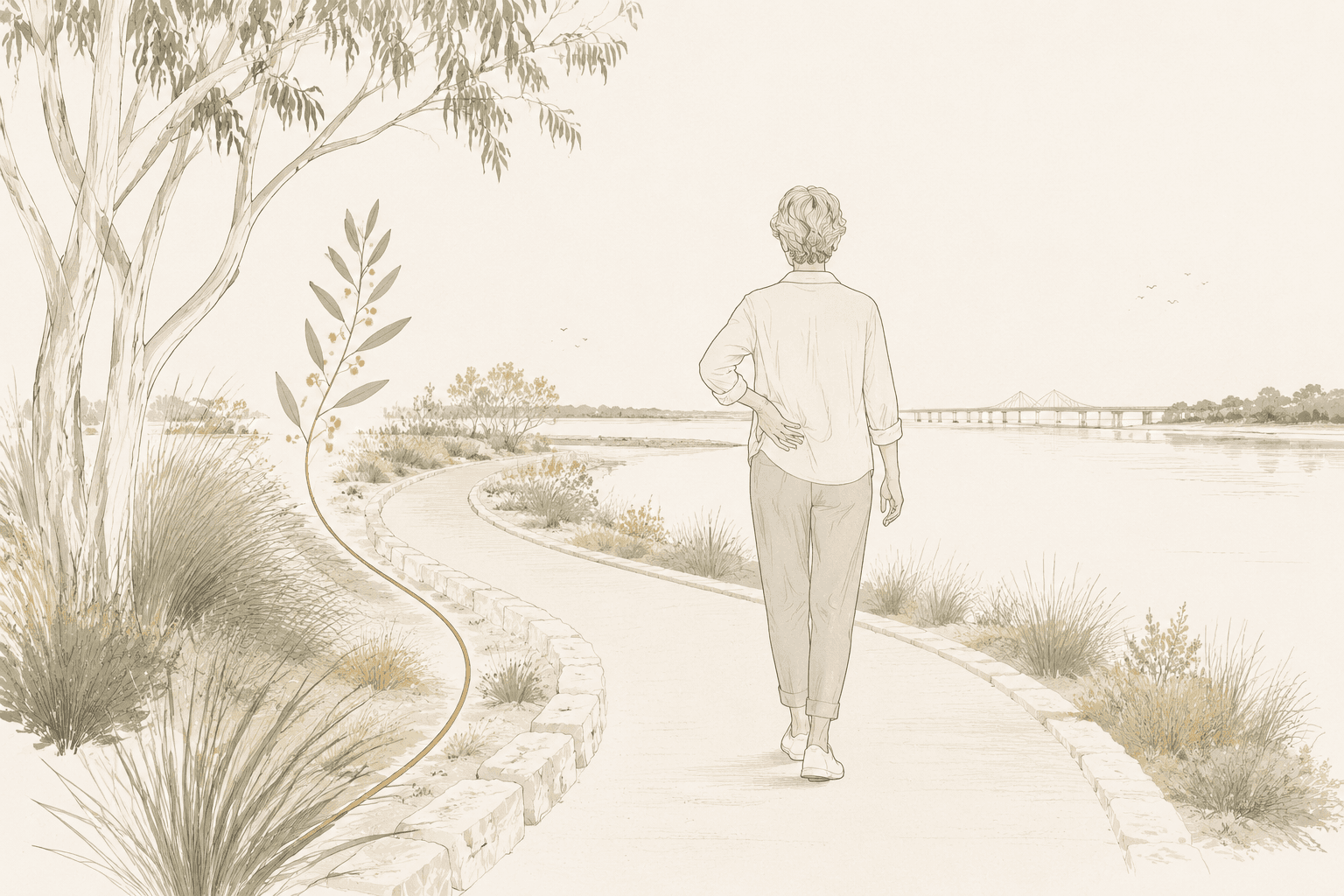
Back Pain Is Common, but Every Experience Is Different
Low back pain is one of the most common health problems people experience. It can begin suddenly, build gradually or return from time to time. Some people notice a local ache or stiffness. Others experience sharper pain, discomfort around the hips or buttocks, or symptoms that affect how confidently they move.
The amount of pain you feel does not always tell you how much physical damage is present. Pain is real, but it is influenced by many factors, and symptoms can fluctuate as your body responds to activity, sleep, stress, workload and recovery.
That is one reason a useful assessment looks beyond a single sore spot. The aim is to understand what is happening now, what may be influencing it and whether there is anything that requires a different type of investigation or care.
What Can Back Pain Feel Like?
Back pain does not look the same for everyone. People may describe:
• an ache across the lower back
• pain or stiffness after sitting or driving
• discomfort with bending, lifting or changing position
• pain after a sudden increase in work, exercise or physical activity
• stiffness when first getting moving
• discomfort around the lower back, pelvis or buttock
• symptoms that come and go
• pain that makes someone hesitant to move normally
Pain travelling into the leg, particularly when accompanied by numbness, tingling or weakness, may require a different assessment. Our separate Sciatica and Leg Pain guide will explore this in more detail.
Why Does Back Pain Happen?
There is not always one simple structure or single cause responsible for back pain. In many cases, clinicians describe low back pain as non-specific because no serious disease or single identifiable structural problem explains the symptoms.
A person’s experience can be influenced by a combination of factors. These might include a recent change in physical load, lifting, training, work demands, long periods in one position, previous episodes of pain, general activity levels, sleep, stress and how confident someone feels using their back.
This does not mean the pain is imaginary or “all in your head”. It means back pain is often more useful to understand as an individual clinical picture than as one bone, joint or muscle simply being “out”.
Do You Need a Scan for Back Pain?
Not necessarily. Imaging can be valuable when there is a specific clinical reason for it, particularly when signs or symptoms suggest that further investigation may change management. Without those indications, scans frequently identify common age-related findings such as disc changes or joint changes that are also seen in people without back pain.
At EiraForma, imaging is not intended to be a routine step simply because someone has back pain. Your history and clinical assessment help determine whether further investigation may be appropriate.
More testing is not always better testing. The useful question is whether the result is likely to change what happens next.
What an Assessment May Involve
The first goal is not to rush into treatment. It is to understand your presentation and decide what is appropriate.
Your Story
We start with what has happened, how your symptoms are behaving, previous episodes, relevant health history and what the problem is stopping you from doing.
Movement and Function
Assessment may include relevant movement or physical examination based on your presentation, rather than a fixed series of tests for everyone.
Neurological Assessment Where Needed
If your symptoms include leg pain, altered sensation, weakness or other neurological features, additional examination may be appropriate.
Clear Next Steps
We explain what we have found, where uncertainty remains and what options may be reasonable. If another practitioner or further investigation is more appropriate, that should form part of the conversation.
What Care for Back Pain May Involve
There is no single treatment that every person with back pain needs. Current evidence supports an individual approach that places education, activity and self-management at the centre of care.
Understanding What Is Happening
Clear information can help reduce unnecessary worry and make it easier to decide what to do next. We want you to understand your presentation rather than leave with a frightening explanation of your spine.
Hands-On Care
Manual therapy, including spinal mobilisation or manipulation, can commonly form part of the treatment plan, in combination with a broader care plan. It is not automatically required, and it should not replace active strategies where those are appropriate.
Movement and Exercise
Exercise or movement may form part of care depending on your needs, preferences and goals. There is no single perfect exercise for every person with back pain.
Staying Active
For many uncomplicated episodes, continuing normal activity as much as practical is preferable to prolonged bed rest. Activity may need to be temporarily adjusted and then built back up as symptoms settle and confidence returns.
Other Options
Depending on the individual assessment, other approaches such as soft tissue techniques, dry needling, pacing advice or referral to another healthcare professional may also be discussed where appropriate.
Movement Usually Matters More Than Perfect Movement
Back pain can make people understandably cautious. It is common to start wondering whether sitting the wrong way, bending incorrectly or moving through pain is causing further damage.
For many uncomplicated episodes of low back pain, the goal is not to discover one perfect posture or avoid movement indefinitely. It is to find manageable ways to keep moving and progressively return to the activities that matter to you.
That may mean modifying something temporarily rather than stopping completely. A tradie might change a lifting task for several days. A desk worker might break up long periods of sitting. Someone returning to the gym might temporarily reduce load or volume.
The right progression depends on the individual.

Back Pain Has to Fit Into Real Life
Desk Work and Driving
Long periods in one position can be uncomfortable when your back is sensitive. Small changes in position, movement breaks and gradually rebuilding tolerance may be more practical than trying to maintain one “perfect” posture all day.
Trades and Physical Work
Lifting, carrying, repetitive work and sudden changes in workload can place significant demands on the body. Assessment should consider the actual tasks you need to return to rather than treating your back separately from your job.
FIFO Life
Long shifts, travel, machinery, changing sleep and sharp differences between work and home routines can make managing back pain more complicated. A useful plan needs to work across the whole roster, not only inside the clinic.
Sport, Gym and Everyday Activity
The goal is rarely to avoid meaningful activity forever. Where appropriate, care can consider how to modify, rebuild and progressively return to the movements that matter to you.
Where Chiropractic Care May Fit
Chiropractors are registered health practitioners who assess and manage neuro-musculoskeletal presentations, including people who present with back pain.
At EiraForma, chiropractic care is not built around the assumption that every back needs adjusting or that one technique is appropriate for everyone. Your history, assessment, goals, preferences and response help guide what is considered.
Where hands-on care is appropriate, it may be used alongside education, movement, exercise and practical self-management. Where another professional is better placed to help, referral or collaborative care should be considered.
What You Can Expect From EiraForma
No Predetermined Plan
Your appointment frequency and next steps should depend on your individual presentation rather than a standard schedule applied to everyone.
Clear Explanations
We aim to explain findings without fear-based language or implying that normal movement is dangerous.
Active Involvement
Questions, preferences, goals and consent remain part of the process. Care is something we discuss with you, not something simply done to you.
Review and Adapt
If your needs change, the plan should change too. That might mean progressing activity, reducing treatment, concluding care or involving another professional.
Practical Things You Can Do When Your Back Is Sore
General advice cannot replace an individual assessment, but for many uncomplicated episodes these principles are consistent with current low back pain guidance.
Keep moving where practical
Avoid spending long periods completely inactive unless a healthcare professional has advised otherwise.
Modify rather than abandon
Temporarily reduce or alter activities that significantly aggravate symptoms, then progressively build them back up.
Change position regularly
There is rarely one posture you must hold perfectly. Giving your body some variety can be more realistic.
Use manageable activity
Walking or other comfortable activity can be a useful starting point for many people.
Pay attention to significant change
Seek assessment if symptoms are severe, unusual, worsening or accompanied by concerning neurological or systemic symptoms.
Give recovery some context
Sleep, workload, stress and general recovery can influence how manageable pain feels.
Back Pain Questions We Hear
Evidence & Further Reading
These public resources offer further evidence-informed information about low back pain. They do not replace individual clinical advice.
Looking for Support With Back Pain in Mandurah?
If back pain is affecting your work, movement, training or everyday life, an individual assessment can help determine what may be appropriate next. EiraForma is preparing to open in Mandurah with a patient-led, evidence-informed approach to chiropractic care.